
Transforming Waste into Wealth with Insect Technology

In a world grappling with waste management challenges, innovative solutions are emerging that not only address environmental concerns but also create economic opportunities. One such solution is the use of insect technology, which has the potential to transform organic waste into valuable resources. This blog post explores how insect technology is revolutionizing waste management, the benefits it offers, and real-world examples of its implementation.

Understanding Insect Technology
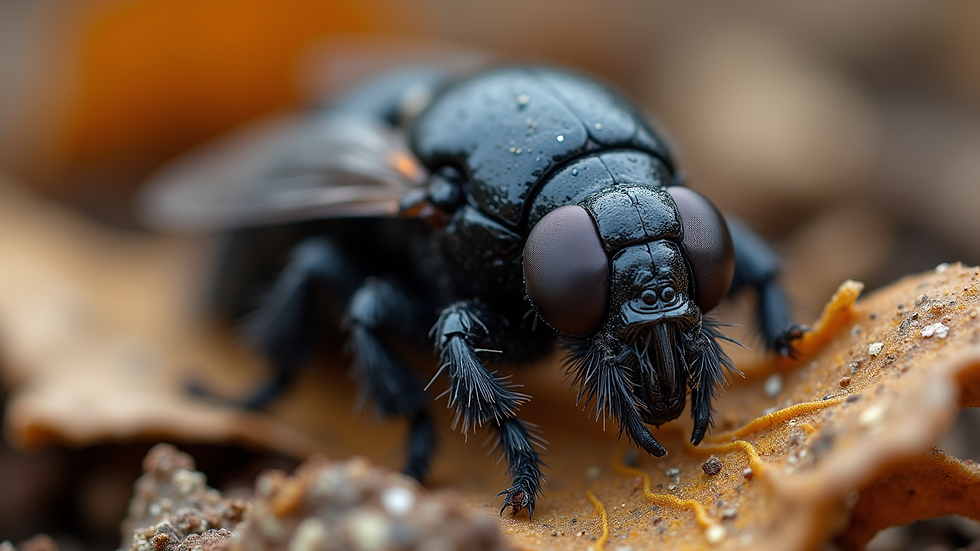
Insect technology refers to the use of insects, particularly larvae, to process organic waste. The most notable example is the black soldier fly (BSF), which can consume large quantities of organic material and convert it into high-quality protein and fat. This process not only reduces waste but also produces valuable by-products that can be used in various industries.
The Science Behind Insect Waste Conversion
The black soldier fly larvae are voracious eaters, capable of consuming up to 25 tons of organic waste per hectare per year. They thrive on a diet of food scraps, agricultural by-products, and even manure. As they feed, they break down complex organic materials, making nutrients more accessible for other organisms.
Once the larvae reach maturity, they can be harvested and processed into several products:
Animal Feed: The protein-rich larvae can be used as feed for livestock, poultry, and aquaculture.
Fertilizer: The frass (insect waste) produced during the larvae's growth is a nutrient-rich organic fertilizer.
Biofuel: The fat extracted from the larvae can be converted into biodiesel.
This closed-loop system not only minimizes waste but also creates a sustainable source of protein and nutrients.
The Environmental Impact of Insect Technology
The environmental benefits of using insect technology are significant. Traditional waste management methods, such as landfilling and incineration, contribute to greenhouse gas emissions and environmental degradation. In contrast, insect technology offers a more sustainable alternative.
Reducing Greenhouse Gas Emissions
By diverting organic waste from landfills, insect technology helps reduce methane emissions, a potent greenhouse gas. Studies have shown that BSF larvae can reduce waste volume by up to 90%, significantly lowering the carbon footprint associated with waste disposal.
Promoting Circular Economy
Insect technology aligns with the principles of a circular economy, where waste is minimized, and resources are reused. By converting waste into valuable products, this technology supports sustainable practices and reduces reliance on finite resources.
Economic Opportunities Created by Insect Technology
The rise of insect technology presents numerous economic opportunities. As the demand for sustainable protein sources grows, businesses that adopt insect farming can tap into new markets and create jobs.
Job Creation
Insect farming requires a range of skills, from farming and processing to marketing and distribution. This creates job opportunities in rural and urban areas, contributing to local economies.
New Market Development
The global market for insect-based products is expanding rapidly. According to a report by the Food and Agriculture Organization (FAO), the insect protein market is expected to reach $8 billion by 2025. Companies that invest in insect technology can position themselves as leaders in this emerging industry.
Real-World Examples of Insect Technology in Action
Several companies and organizations worldwide are successfully implementing insect technology to manage waste and create valuable products.
1. AgriProtein
AgriProtein, based in South Africa, is a pioneer in insect farming. The company uses BSF larvae to convert food waste into high-protein animal feed. Their facilities can process thousands of tons of organic waste annually, significantly reducing landfill contributions while producing sustainable feed alternatives.
2. Ynsect
Ynsect, a French startup, focuses on producing insect protein for animal feed and fertilizers. Their innovative approach involves farming mealworms, which are rich in protein and can be used in aquaculture and pet food. Ynsect's operations exemplify how insect technology can be integrated into existing agricultural systems.
3. Enterra Feed Corporation
Based in Canada, Enterra Feed Corporation utilizes BSF larvae to convert food waste into protein-rich feed for livestock. Their facility processes organic waste from local sources, demonstrating the potential for community-based insect farming initiatives.
Challenges and Considerations
While insect technology offers numerous benefits, there are challenges to consider. Regulatory hurdles, public perception, and initial investment costs can pose barriers to widespread adoption.
Regulatory Hurdles
In many regions, regulations surrounding insect farming and the use of insect products in animal feed are still developing. Navigating these regulations can be complex, requiring collaboration between industry stakeholders and government agencies.
Public Perception
Despite the environmental and economic benefits, some consumers may be hesitant to embrace insect-based products. Education and awareness campaigns are essential to shift public perception and highlight the advantages of insect technology.
Initial Investment Costs
Setting up an insect farming operation requires significant initial investment. However, as the industry matures and technology advances, costs are expected to decrease, making it more accessible for entrepreneurs.
The Future of Insect Technology
The future of insect technology looks promising. As the global population continues to grow, the demand for sustainable food sources will increase. Insect farming presents a viable solution to meet this demand while addressing waste management challenges.
Innovations on the Horizon
Research and development in insect technology are ongoing. Innovations in breeding, feed optimization, and processing techniques will enhance the efficiency and scalability of insect farming operations.
Collaboration and Partnerships
Collaboration between businesses, researchers, and policymakers will be crucial in advancing insect technology. By working together, stakeholders can overcome challenges, share knowledge, and drive the industry forward.
Conclusion
Insect technology is transforming waste into wealth, offering a sustainable solution to some of the most pressing challenges of our time. By harnessing the power of insects, we can reduce waste, create valuable products, and support a circular economy. As we move forward, embracing this innovative approach will be essential for building a more sustainable future.
The journey toward a waste-free world is just beginning, and insect technology is at the forefront of this transformation. Whether you are a business owner, a consumer, or simply someone interested in sustainability, consider how you can support and engage with this exciting field. Together, we can turn waste into wealth and pave the way for a greener tomorrow.
Comments