
Innovative Insect Engineering for Sustainable Solutions

In a world increasingly focused on sustainability, the quest for innovative solutions has led scientists and engineers to explore the fascinating realm of insects. These small creatures, often overlooked, hold the key to addressing some of the most pressing environmental challenges we face today. From waste management to food production, insect engineering is paving the way for sustainable solutions that could transform our approach to resource utilization.
Understanding Insect Engineering
Insect engineering refers to the application of biological principles and technologies to harness the unique capabilities of insects. This field encompasses various disciplines, including genetics, ecology, and biotechnology, to create solutions that are not only effective but also environmentally friendly.
The Role of Insects in Ecosystems
Insects play a crucial role in maintaining ecological balance. They are essential pollinators, decomposers, and a food source for many animals. By understanding their natural behaviors and life cycles, researchers can develop innovative methods to utilize insects in sustainable practices.
Key Areas of Focus in Insect Engineering
Waste Management
Insects, particularly larvae of certain species, can efficiently break down organic waste. For example, the black soldier fly larvae can consume food scraps and convert them into protein-rich biomass. This process not only reduces waste but also produces valuable resources for animal feed.
Sustainable Food Production
Insects are a highly nutritious food source for both humans and animals. They require significantly less land, water, and feed compared to traditional livestock. By promoting insect farming, we can alleviate the pressure on conventional agriculture and contribute to food security.
Biological Pest Control
Instead of relying on chemical pesticides, insect engineering can help develop natural pest control methods. Beneficial insects can be introduced to crops to manage pest populations, reducing the need for harmful chemicals and promoting healthier ecosystems.
The Science Behind Insect Engineering
Genetic Modification and Breeding
One of the most exciting aspects of insect engineering is the potential for genetic modification. By altering the genetic makeup of insects, scientists can enhance desirable traits such as growth rate, resilience to diseases, and nutritional content. For instance, researchers are working on genetically modified mosquitoes that can reduce the spread of diseases like malaria and dengue fever.
Biotechnological Innovations
Biotechnology plays a significant role in insect engineering. Techniques such as CRISPR gene editing allow for precise modifications to insect genomes. This technology can be used to create insects that are more efficient at waste breakdown or that produce higher yields in farming scenarios.
Case Study: The Black Soldier Fly
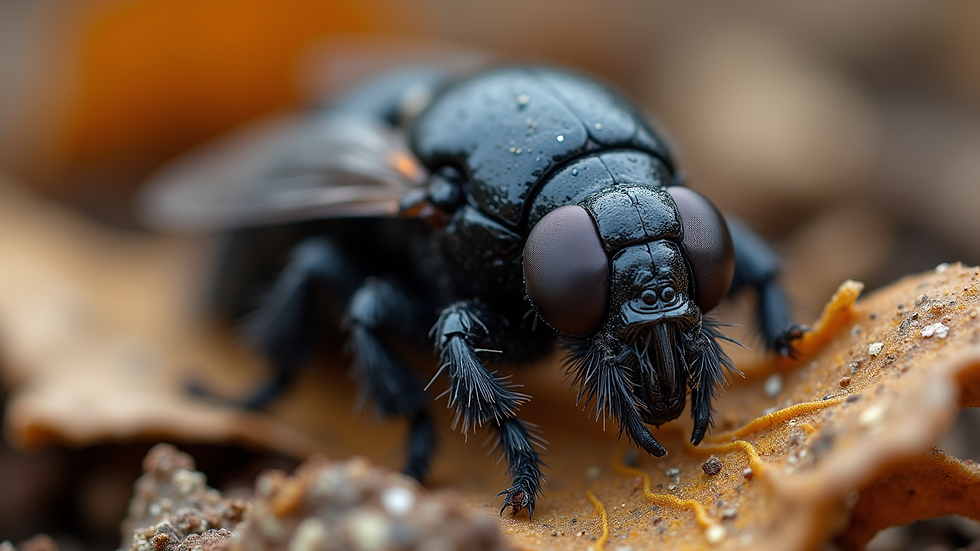
The black soldier fly (Hermetia illucens) is a prime example of how insect engineering can lead to sustainable solutions. These larvae can consume organic waste, converting it into high-quality protein and fat. This process not only helps in waste reduction but also provides an alternative protein source for animal feed, which is crucial for sustainable livestock production.
Challenges and Considerations
While the potential of insect engineering is vast, several challenges must be addressed:
Public Perception
Many people are hesitant to embrace insects as a food source or waste management solution. Education and awareness campaigns are essential to change perceptions and highlight the benefits of insect-based solutions.
Regulatory Hurdles
The regulatory landscape for genetically modified organisms (GMOs) can be complex. Navigating these regulations is crucial for the successful implementation of insect engineering solutions.
Sustainability Concerns
While insects are generally considered sustainable, it is essential to ensure that their farming does not lead to negative environmental impacts. Research must focus on creating systems that are truly sustainable and do not deplete natural resources.
The Future of Insect Engineering
Innovations on the Horizon
As research in insect engineering continues to evolve, several exciting innovations are on the horizon:
Automated Insect Farming
- Advances in automation and robotics could lead to more efficient insect farming practices. Automated systems can monitor and optimize conditions for insect growth, making production more scalable and cost-effective.
Integration with Circular Economy Models
- Insect farming can play a vital role in circular economy models, where waste is repurposed into valuable resources. By integrating insect farming into existing waste management systems, we can create a more sustainable approach to resource utilization.
Collaboration Across Disciplines
The future of insect engineering will require collaboration among scientists, engineers, policymakers, and the public. By working together, we can develop innovative solutions that harness the power of insects while addressing environmental challenges.
Conclusion
Insect engineering represents a promising frontier in the quest for sustainable solutions. By leveraging the unique capabilities of insects, we can tackle issues such as waste management, food production, and pest control in environmentally friendly ways. As research continues to advance, it is crucial to foster public understanding and support for these innovative approaches. The future of sustainability may very well depend on our ability to embrace the potential of these small but mighty creatures.
Call to Action
As we move forward, consider how you can support sustainable practices in your own life. Whether it’s reducing food waste, exploring insect-based food options, or advocating for innovative agricultural practices, every small step counts in creating a more sustainable future.

Comments